Delhi’s old car ban hurts emotions more than the environment
Why Delhi’s car ban feels like losing a loved one
- By Gurmehar --
- Monday, 07 Jul, 2025
The Delhi government recently took a harsh step. It banned fuel stations from giving petrol or diesel to old vehicles—those older than 10 years for diesel and 15 years for petrol. Even more shocking, the government allowed authorities to seize these vehicles.
After a huge public outcry, the government put a temporary stop to the rule. They also wrote to the environment body, asking them to pause the fuel ban. For many people like me, this decision brought relief. I want to share my story and some ideas that might help fix this issue better.
The car that became part of the family
Years ago, when I started my career, my family had a small hatchback in Kolkata. It had been used by many drivers and suffered all kinds of dents and damage from buses, trams, and autos. One day, I decided it was time to let it go. I sold it to a young man who wanted to learn driving. It felt right.
My parents always wanted a sedan—especially a black one. A new one was too expensive, so I found a good second-hand Maruti Suzuki Esteem. We named it “Black.” It had only 30,000 km on it and was in great condition. After setting some clear rules with the driver, I flew back to work.
When my family moved to Delhi NCR, they insisted we bring Black along. To them, he wasn’t just a car—he was family. Over the next ten years, Black was there for weekend drives, market visits, and every little moment in between.
When my father passed away just before the COVID-19 pandemic, Black became even more special. He reminded me of my father—his love for the car, how he enjoyed it, and the pride he felt while riding in it.
Realising Black’s days were numbered
One day after the lockdown ended, I took Black for a drive and realised he was already 14.5 years old. I quickly got the papers updated and a new pollution certificate. But it hit me hard—Black only had a few months left under the law.
With COVID fears still fresh and the need for safe transport, I had to buy a new car. But what about Black? According to the rules, I had to scrap him. It felt like I was being forced to kill a family member.
Saying goodbye to a trusted companion
I went to the garage and saw Black one last time. He was still shining, with minor scratches. The AC worked perfectly, the music system was top-class, and the car started without a problem. He still gave 15 km/l and had only run 82,435 km.
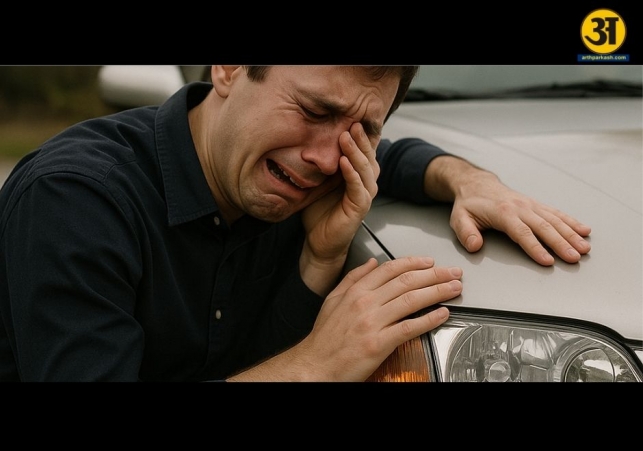
I folded my hands in front of Black, thanked him for everything, and walked away with tears in my eyes. I traded him in for a new car and got only ₹25,000. It felt wrong. Black didn’t get a respectful farewell—just like my father.
ALSO READ: MPs from all parties urge Bharat Ratna for Dalai Lama, suggest Parliament address
ALSO READ: Water scarcity and its impact on global food security
What needs to be done now
The government must bring in a proper Scrappage Policy. But this policy should be voluntary, not forced. In the UK, people were encouraged to exchange their old cars for a fixed price. That’s a fair way to deal with old vehicles.
Another good step would be to invest in modern test centres instead of spending money on cameras to catch old cars. These centres should check a car’s condition properly—engine, brakes, pollution levels—and give a fitness certificate if it passes. This way, old but well-maintained cars can still run.
After getting this fitness certificate, the government can charge higher road taxes for older cars. This will discourage people from keeping polluting vehicles, but it won’t punish those who maintain their cars well.
India currently doesn’t allow engine replacements in cars. This needs to change. Installing a new engine in an old car can give it a new life. Maruti Suzuki once sold half-engines that could be fitted easily. This practice should be brought back.
Also, the government had talked about a special ‘VA’ registration series for vintage and classic vehicles. These are not used daily and are usually in excellent condition. But this plan remains a dream. Delhi’s car history has been erased due to sudden bans.
The public needs respect and better choices
Many people depend on old cars for their daily life. Taking away their only transport option adds to their stress. Today it’s old cars—tomorrow, it could be something else.
It’s time for the authorities to hear the voice of the people. Give them options, not punishments. Respect their emotions, efforts, and memories. Because sometimes, a car is not just a car—it’s family.
Related News